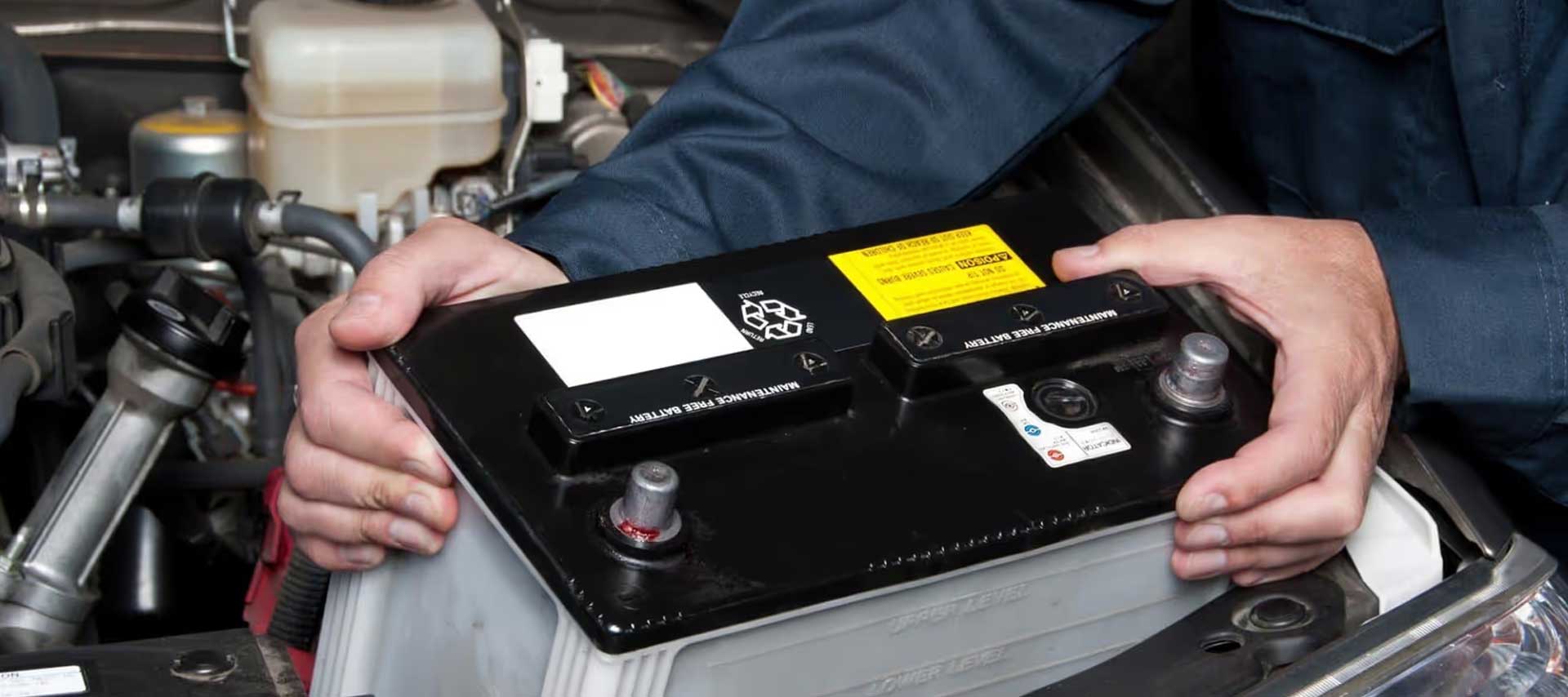
Cold weather in Anchorage puts more strain on your vehicle than almost any other driving environment in the United States. When ambient temperatures drop below freezing during long Alaskan winter nights, your car battery works under extreme physical and chemical stress. The internal chemical reactions that generate electrical current slow down dramatically, while your engine simultaneously requires significantly more power to turn over. Drivers across Southcentral Alaska frequently walk out to their vehicles on a sub-zero morning only to hear a sluggish engine crank or a hollow metallic click from the starter solenoid. Understanding how severe cold weather alters battery chemistry and taking simple preventative maintenance steps ensures your vehicle starts reliably every morning. Alaska Professional Auto provides comprehensive vehicle diagnostics, battery capacity testing, and electrical system service to keep local drivers safe on the road throughout the harsher winter months.
Lead-acid automotive batteries rely on a liquid electrolyte solution of sulfuric acid and distilled water to facilitate chemical reactions between internal lead and lead dioxide plates. As outdoor air temperatures fall toward zero degrees Fahrenheit, these chemical reactions slow down significantly. At freezing temperatures of 32 degrees Fahrenheit, a fully charged automotive battery loses roughly 35 percent of its maximum starting power. When temperatures drop down to zero degrees or lower, available starting power drops by more than 50 percent. At the exact same time, cold motor oil inside your engine crankcase thickens to a heavy consistency, creating massive mechanical drag against the pistons, bearings, and crankshaft. Your starter motor requires almost double the electrical current to turn over a cold engine compared to a warm engine during summer months. This physical combination of drastically reduced battery power output and heavily increased starter motor load is the primary reason car batteries fail suddenly on cold mornings.
Severe cold weather exposes minor electrical flaws that go completely unnoticed during milder seasons. Battery terminal posts naturally accumulate white, blue, or greenish corrosion over time. This crusty buildup consists of lead sulfate or copper sulfate crystals that form when acidic hydrogen gas escapes past terminal seals during normal charging cycles. Corrosion acts as a high-resistance electrical insulator, severely restricting the flow of high-amperage current needed by the starter motor. In addition to physical connection issues, modern cars contain dozens of electronic control modules, keyless entry sensors, security systems, and clock memories that draw small amounts of electricity continuously even when the key is out of the ignition. If your battery is already weakened by age or extreme cold, this constant parasitic power drain empties the remaining surface charge overnight, leaving you with a dead vehicle in your driveway.
While the battery gets your engine running initially, your vehicle alternator recharges the battery and handles all electrical operating loads while the engine runs. Winter driving in Anchorage demands maximum power output from your charging system. Drivers run high-draw accessories simultaneously, including heated seats, rear window defrosters, cabin heater blowers, high-beam headlights, side mirror heaters, and windshield wiper motors. If your alternator drive belt is loose, glazed, or slipping on its pulleys, the alternator cannot maintain proper charging voltage. Short commuter trips across Anchorage do not give the alternator sufficient running time to restore the heavy energy reserve drained during a cold engine start. Over several days of short-distance driving, this cycle causes gradual battery depletion, leading to unexpected battery failure even if the battery itself is relatively new.
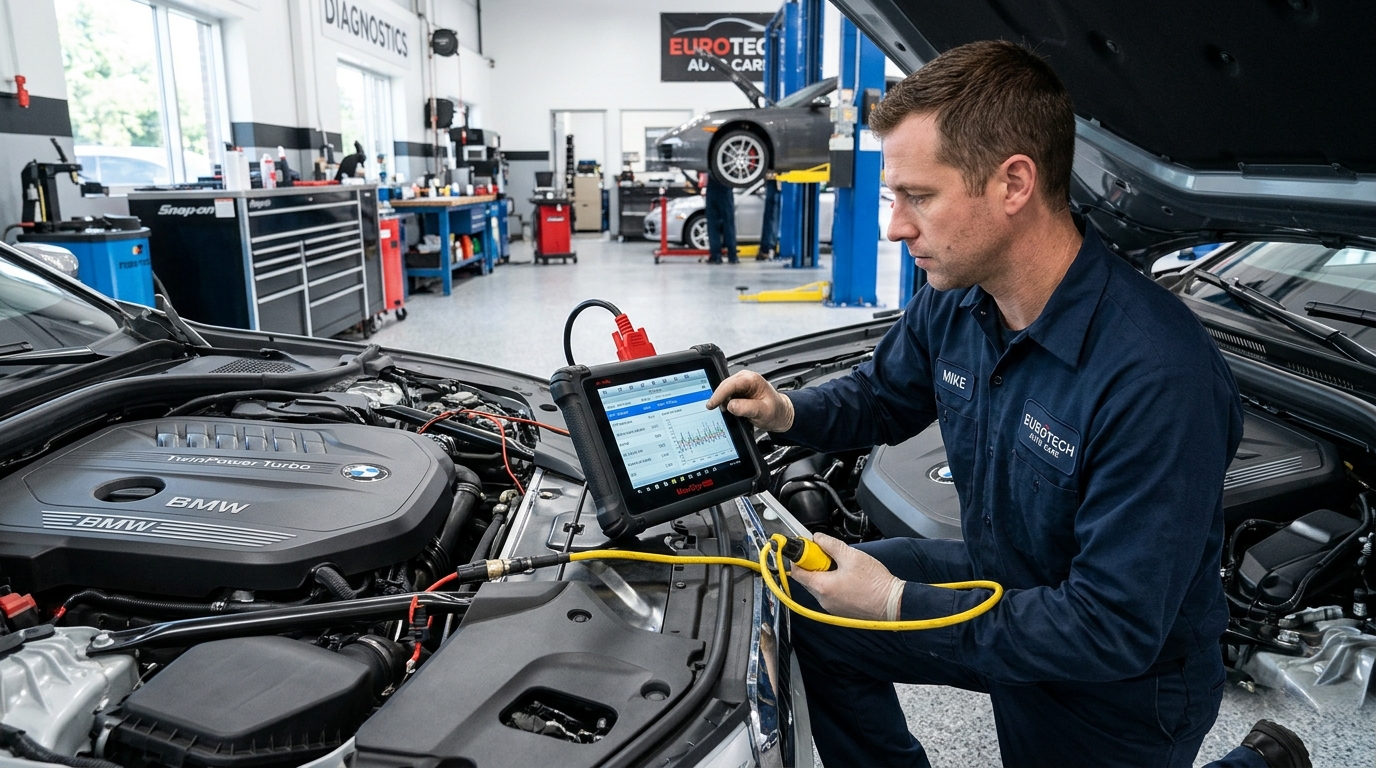
Preventing a sudden winter breakdown starts with proactive electrical system testing before severe weather arrives. A professional digital battery analyzer measures cold cranking amps and internal cell resistance, revealing whether a battery retains enough healthy plate surface to survive an Alaskan winter. Keeping terminal posts clean using a wire brush, neutralizing acid buildup with a baking soda wash, applying protective terminal grease, and securing hold-down brackets prevents physical vibration damage. If your car stays parked outdoors overnight, plugging in an engine block heater keeps engine oil warm, which dramatically reduces the electrical workload placed on your battery during cold starts.
When a car battery approaches three to five years of age, its internal lead plates degrade, making cell failure inevitable during sudden temperature drops. Attempting to jump-start a frozen battery can crack its plastic casing or cause internal short circuits. Professional mechanics use specialized load testers to check the entire electrical circuit, including starter draw, alternator diode ripple, and battery reserve capacity. Alaska Professional Auto inspects charging systems, installs high-cold-cranking-amp batteries rated for local conditions, and verifies that your vehicle is fully prepared for winter driving.
Ignoring subtle warning signs like dimming headlights, slow engine cranking, or clicking ignition switches leads directly to cold roadside emergencies. If your vehicle shows any sign of electrical hesitation, let the experienced technicians at Alaska Professional Auto inspect your battery, starter, and charging system. Call (907) 561-8688 or visit our shop at 1147 East Dowling Road in Anchorage, AK, to schedule your appointment today.